OUR STORIES
Explore our heartwarming pet stories and invaluable advice in our diverse collection.
Categories:
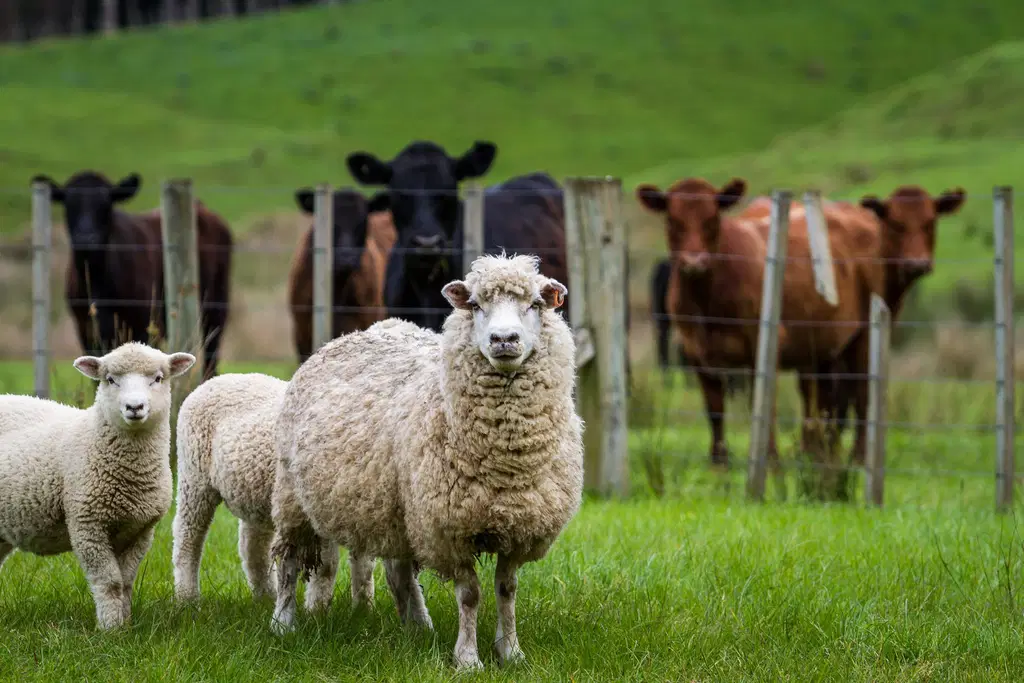
Drench resistance is becoming a major challenge for New Zealand farmers as worm populations increasingly survive common treatments, reducing the effectiveness of traditional drenching programmes. Resistance develops when worms with genetic tolerance to a drench survive treatment and pass those traits on to future generations. Effective management relies on monitoring worm burdens through faecal egg counts, checking drench performance, and conducting reduction tests to identify which products still work. Strategies such as using combination drenches, preserving refugia, quarantining incoming stock, and implementing good grazing management can help slow resistance development. Because resistance patterns vary between farms, a tailored worm-control plan developed with veterinary or animal health advice is essential to maintain drench effectiveness for the future.
View more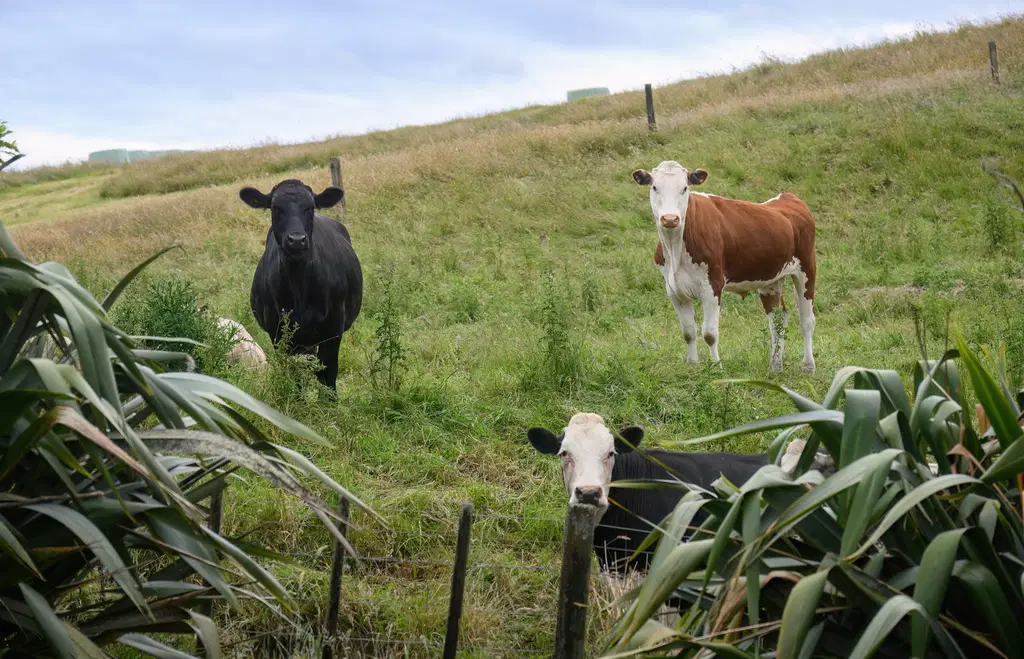
Low-stress cattle handling is based on understanding how cattle perceive their environment and respond to pressure. Their wide field of vision, sensitivity to noise, and natural prey instincts influence how they move through yards. Key concepts such as the flight zone and point of balance help handlers guide stock calmly and efficiently while reducing stress and injury. Well-designed yards, including curved races, solid sides, non-slip flooring, and good lighting, further improve stock flow and safety. Good handling practices, such as avoiding overcrowding, limiting dog pressure, and minimising the use of electric prodders, benefit both animal welfare and productivity. Sudden behavioural changes or handling difficulties may also indicate underlying health issues, making veterinary assessment worthwhile when problems persist.
View more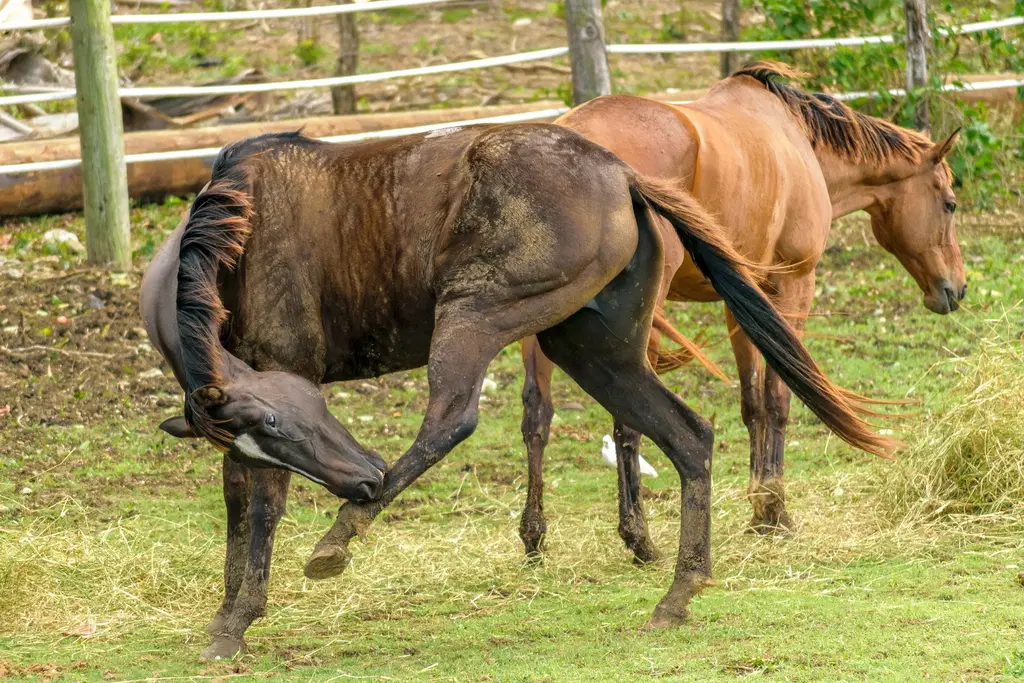
Horse wounds should be assessed based on their location, depth, and the horse’s overall condition. While many minor wounds can be managed with basic first aid such as controlling bleeding and gentle cleaning, wounds involving joints, tendon sheaths, eyes, or deeper structures require immediate veterinary attention. Fresh, clean, deep, or gaping wounds may be suitable for stitches, while heavily contaminated wounds are often left to heal naturally. Lower-limb wounds are particularly prone to complications, including infection and proud flesh. Owners should also check their horse’s tetanus vaccination status after any injury and seek veterinary advice for persistent bleeding, deep punctures, lameness, significant swelling, or signs of illness.
View moreAnnual wellness checkups catch problems early — book yours today.
View moreA few simple steps keep your pet healthy through flu season.
View moreZampa Veterinary Clinics has opened a bright new home for our patients and their families.
View more
When we think of allergies, we often picture ourselves sneezing and itching in the presence of pets. But did you know that the reverse can also be true?
View more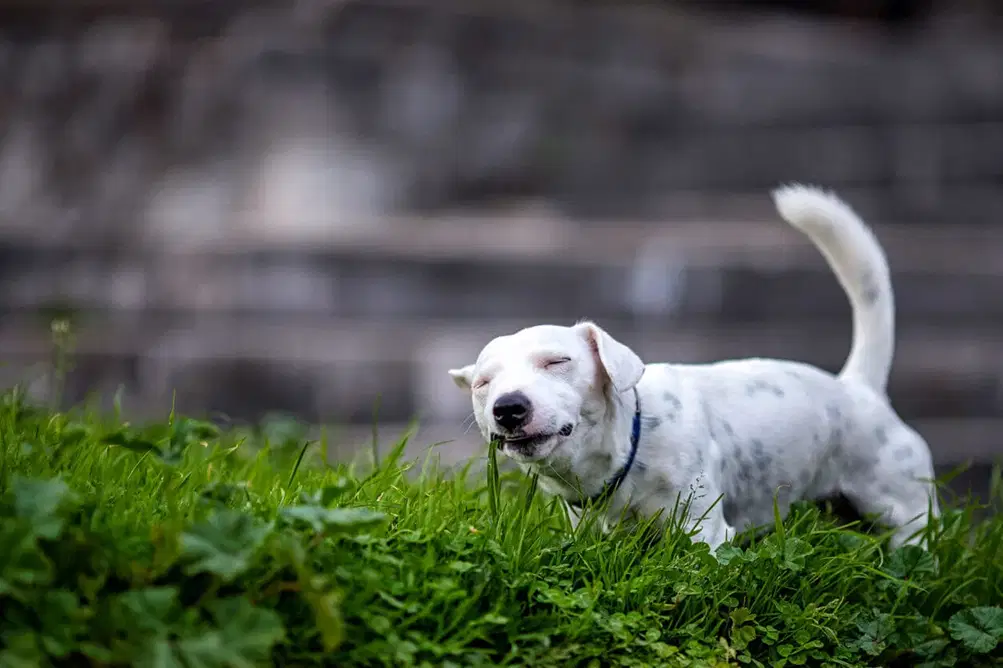
We’ve all seen it. Your dog stops mid-walk, sniffs the ground, and suddenly starts munching on a patch of grass like it’s the most delicious thing in the world. And the truth is, grass-eating is quite common in dogs. But is it harmless, or should you be worried?
View more
Unexpected vet bills can catch any pet owner off guard. One day your furry friend is fine, and the next, they need urgent medical care. It’s a stressful situation—emotionally and financially. But with a little planning, you can be prepared for the unexpected and ensure your pet gets the care they need without breaking the bank.
View moreShowing 10 to 18 of 21 results